

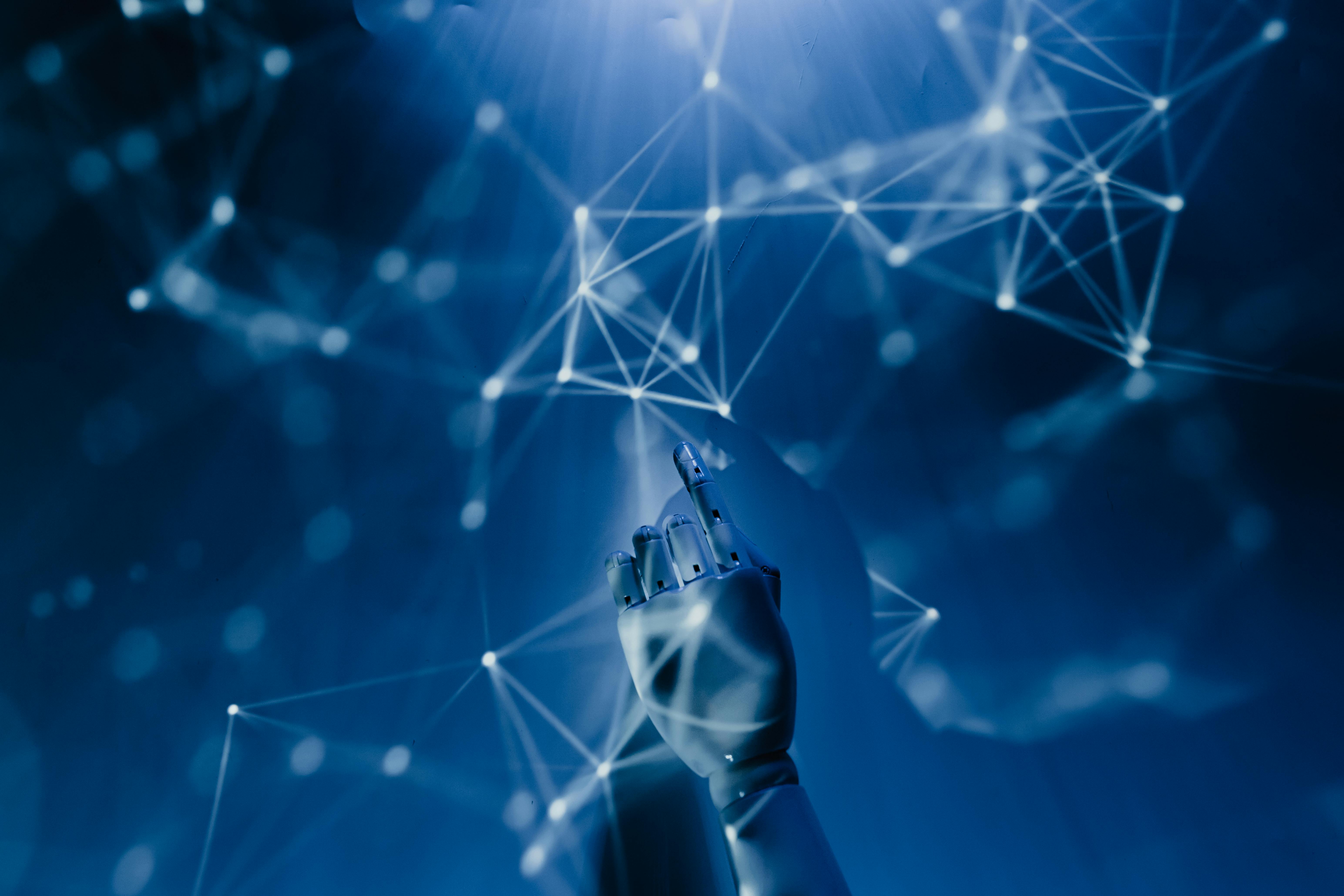
Artificial intelligence has moved far beyond science fiction. Today, AI can write, code, analyze, automate and create. Alongside these advances, many professionals are experiencing a new form of stress known as AI anxiety.
What is AI anxiety?
AI anxiety refers to fear, uncertainty and emotional distress related to artificial intelligence and technological change. Many people worry that their jobs, skills or careers may become obsolete.
Why is AI creating so much fear?
Rapid technological change
AI tools evolve within months rather than years, creating pressure to constantly adapt.
Fear of job displacement
Employees increasingly worry that automation will replace tasks once performed by humans.
Information overload
Social media headlines often amplify fear and uncertainty.
Imposter syndrome
Watching others rapidly adopt AI can create feelings of inadequacy.
Common symptoms
- Difficulty concentrating
- Persistent worry
- Sleep disturbances
- Irritability
- Reduced motivation
- Mental exhaustion
Technology can change jobs, but it does not replace human adaptability, relationships and emotional intelligence.
How can you manage AI anxiety?
- Separate facts from predictions.
- Focus on skills you can control.
- Reduce information overload.
- Protect your identity from becoming entirely career-based.
- Prioritize physical and emotional wellbeing.
Can therapy help?
Therapy can help individuals manage uncertainty, challenge catastrophic thinking and develop resilience during periods of change.
Final thoughts
Feeling uncertain about the future does not mean you are falling behind. Seeking support and taking practical steps can make technological change feel less overwhelming.