Relaxation Therapy at LAYA uses guided relaxation, breath awareness, body scan, grounding and calming practices to help reduce emotional and physical stress.
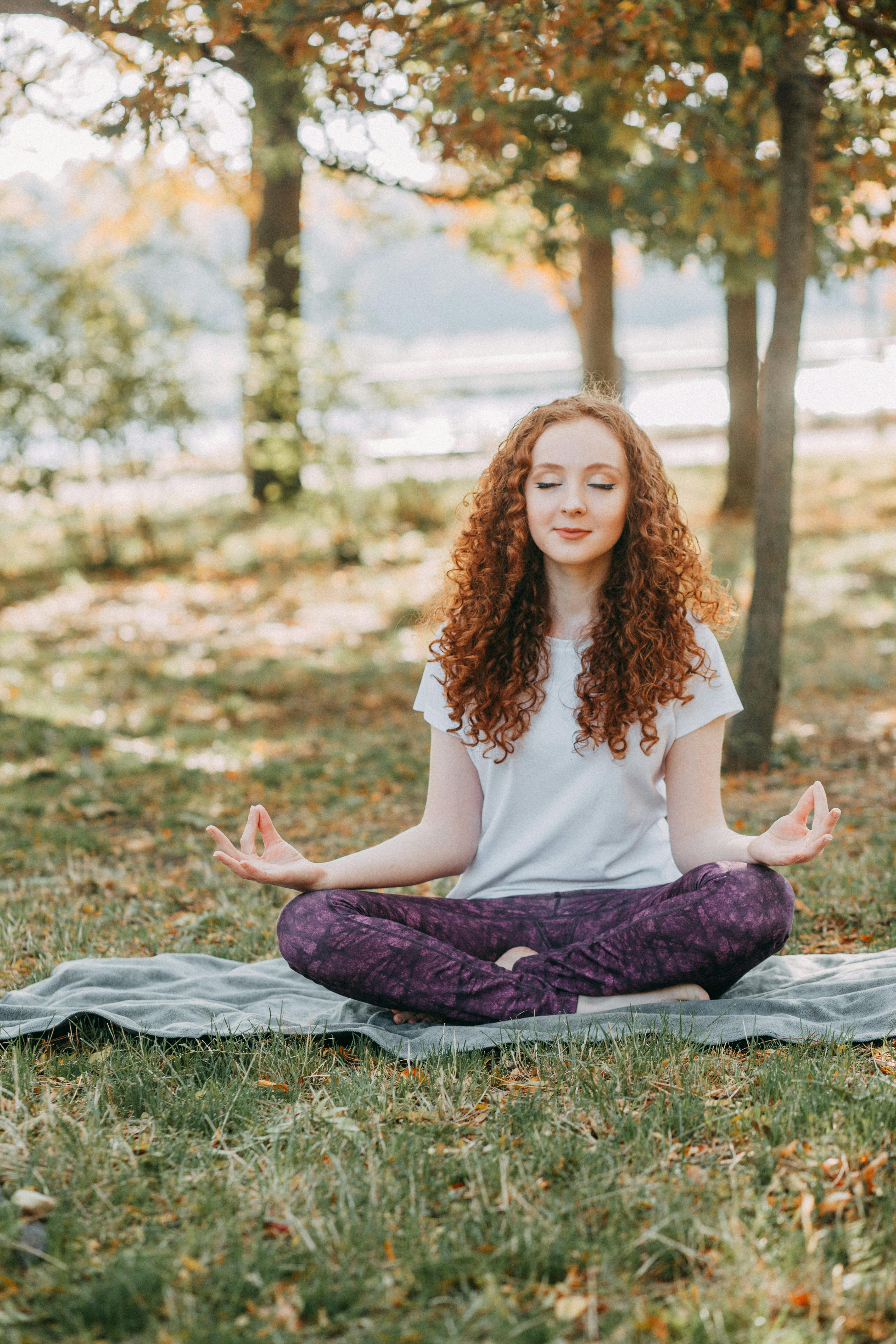
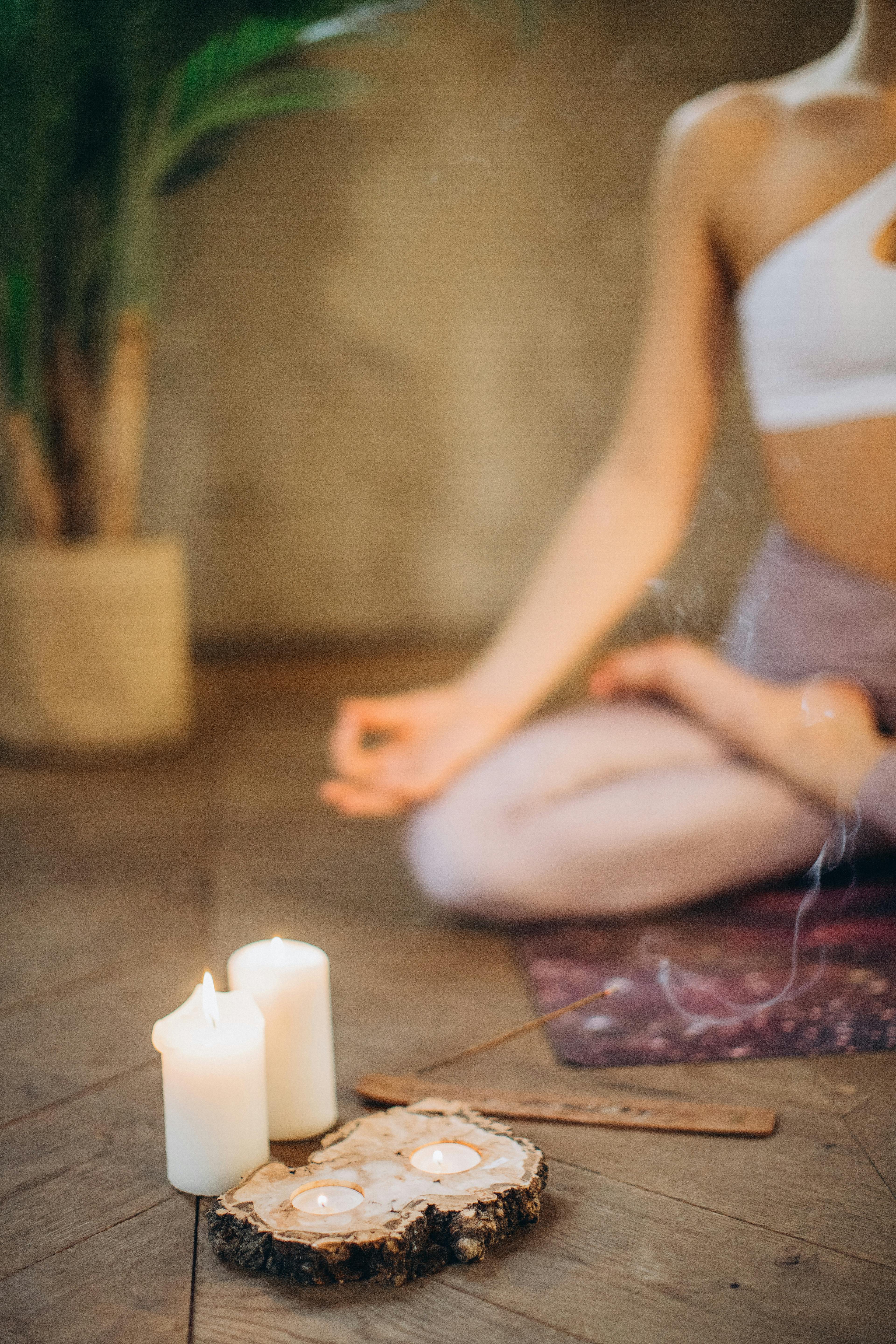
Calming The Nervous System
Stress and emotional overwhelm are not only mental experiences. They can show up as shallow breathing, body tension, restlessness, fatigue, sleep difficulty, irritability or a constant sense of being “on alert.” Relaxation Therapy helps you slow down safely and reconnect with calm.
Reduce physical and emotional tension through guided calming practices.
Support nervous system regulation, grounding and self-soothing.
Build simple relaxation tools you can use outside sessions.
What Sessions May Include
Each session is adapted based on your stress level, comfort, emotional state and needs.
A calming verbal practice that helps the body soften and the mind settle gradually.
Gentle awareness through different body parts to release tension and reconnect with the body.
Simple breathing practices to calm stress responses and support emotional regulation.
Practical tools to feel more present when anxious, overwhelmed or emotionally flooded.
A structured practice to notice, soften and release muscular tension from the body.
Gentle wind-down practices that may support rest, bedtime routine and relaxation.
Who Can Benefit
Relaxation Therapy may be suitable for people who need a gentle, body-based way to calm and recover.
For emotional fatigue, work pressure, mental load and difficulty slowing down.
For people struggling to unwind, relax or create a calming bedtime rhythm.
For racing thoughts, body tension, shallow breathing and feeling constantly alert.
For moments when feelings feel intense, heavy or difficult to regulate.
For stress that shows up in the neck, shoulders, jaw, breath or overall body tightness.
Can be used alongside therapy to support grounding, emotional regulation and recovery.
How It Works
Relaxation Therapy can be especially useful when you feel emotionally tired and need support that is gentle, experiential and body-based. Sessions may include a short check-in, guided relaxation, breathwork, grounding and a short closing reflection.
A brief understanding of your current stress, mood and needs.
Gentle grounding to help the body feel safe and present.
Guided body relaxation, breath awareness or body scan.
A soft return and simple practice suggestion if needed.
Relaxation Therapy can support emotional wellbeing, but it is not a replacement for psychotherapy, psychiatric care, medical care or emergency support.
If stillness or body awareness feels uncomfortable, the practice can be modified with grounding, seated relaxation or shorter guided segments.
Plans & Booking
You can book relaxation support directly or include it within integrative wellness plans.
Starter
For immediate stress relief, grounding or a gentle introduction to guided relaxation.
Book SessionRecommended
Useful alongside therapy, couple work, hypnotherapy or integrative wellness.
View PackagesUnsure?
Reach out if you are unsure whether relaxation, yoga, therapy or integrative support is right.
Contact UsFAQ
No. Relaxation Therapy is a supportive wellness service focused on calming, grounding and stress reduction. It can complement psychotherapy but does not replace it.
Not in detail. A short check-in may be used to understand your current state, but the main focus is guided relaxation and regulation.
It may support relaxation and bedtime wind-down, especially when stress or restlessness affects sleep. It is not a substitute for medical assessment if sleep issues are severe or persistent.
Yes, relaxation sessions may be offered online or in person depending on availability and suitability.
Begin with a guided relaxation session and experience a calmer, more grounded way to support your emotional wellbeing.